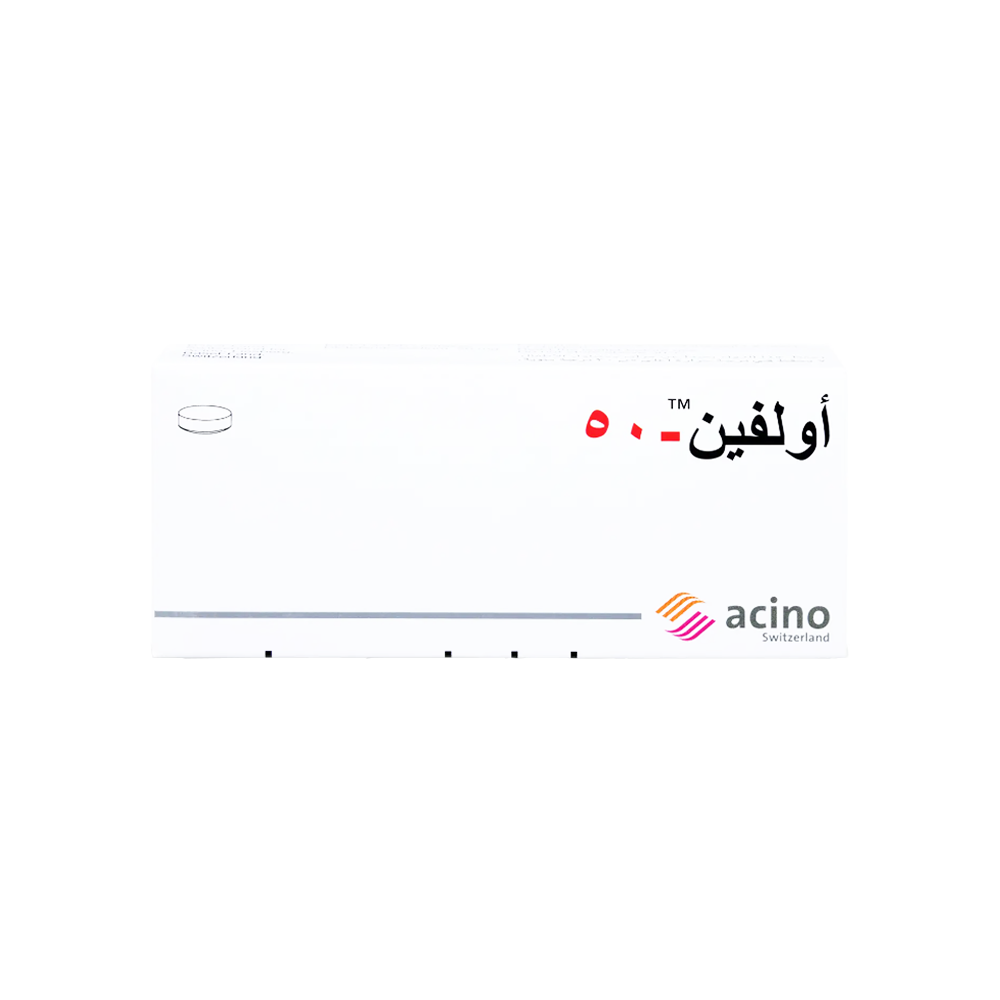
Olivin 50 mg tablets
Active ingredient
Diclofenac
Medical uses of Olivin tablets
Joint or muscle pain or tendon
Gout attacks
A common form of arthritis that is very painful. It usually affects one joint at a time (often the big toe joint).
Post-surgical pain and swelling
Sprains, strains, dislocations, fractures, and other injuries
Gynecological problems such as menstrual pain
Bone and joint inflammation such as rheumatoid arthritis, osteoporosis, and ankylosing spondylitis
Back pain
How to use Olivin tablets
Take as directed by your doctor.
Take the medication with or immediately after a meal.
The usual dose is 25-50 mg two or three times daily.
In mild cases, as well as in long-term treatment, 75 mg to 100 mg per day is usually sufficient.
Do not take more than 150 mg per day.
For children, consult your doctor before using diclofenac.
Doses can be changed in special circumstances, so always follow your doctor’s or pharmacist’s instructions.
If you take more than you should, talk to your doctor or go to the hospital immediately.
If you forget a dose, take it as soon as you remember unless it is time for your next dose.
Do not take a double dose (two doses at the same time) to make up for the missed dose.
Side effects of Olivin tablets
Stomach pain, nausea, vomiting, diarrhea, indigestion, loss of appetite
Headache, dizziness
Skin rash or spots
Elevated liver enzyme levels in the blood
Rapid or irregular heartbeat (palpitations), chest pain, heart disturbances, including a heart attack or shortness of breath
Difficulty breathing when lying down, or swelling of the feet or legs (signs of heart failure), especially if you are taking a higher dose (150 mg per day) for a long time
Stomach ulcer or bleeding (very rare cases reported)
Using Olivin tablets during pregnancy and breastfeeding
If you are pregnant or breastfeeding, think you are pregnant, or planning to have a baby, ask your doctor or pharmacist for advice before taking this medication.
It is not preferred, especially during the first three months.